
A Safe Place for Your Recovery from Cannabis Addiction
Compassionate care for Cannabis Addiction in a comfortable private facility close to home in Melbourne
Cannabis is often seen as a low-risk substance, but regular or heavy use can lead to dependence. Like other forms of substance use, Cannabis Addiction can affect relationships, motivation, memory, and emotional regulation.
Marijuana, also known as cannabis, weed, or pot—is a psychoactive substance that goes by many names. While often viewed as harmless, regular use can still lead to dependence and health issues.
Although perceived as less harmful than other illicit drugs, research shows regular cannabis use, especially high-THC strains, can increase the risk of mental health conditions. Cannabis is the leading substance linked to drug-induced psychosis in Australian emergency departments.
People often begin using marijuana to relax, manage pain, or ease anxiety, but over time, the line between casual use and addiction can become blurred.
Though commonly thought to be only psychologically addictive, cannabis can also cause physical withdrawal symptoms, particularly with regular or long term use. These may include sleep disturbances, irritability, restlessness, appetite changes, and low mood. Combined with emotional reliance, this can make stopping difficult without structured support.
Fullarton Clinic supports people looking to reduce or stop their cannabis misuse and regain control of their wellbeing.
Signs You May Need Support
Cannabis Addiction may not always be apparent.
You might benefit from support if you:
- Find it difficult to stop using, even when you want to stop
- Need to use more over time to feel the same effects
- Feel irritable, anxious, or sleepless when not using
- Use cannabis daily or to cope with stress, boredom, or discomfort
- Have reduced your involvement in work, study, or social activities
- Experience memory or concentration issues
- Are using cannabis to avoid confronting difficult thoughts or feelings
Dependence doesn’t always announce itself loudly—sometimes, it builds quietly over time.
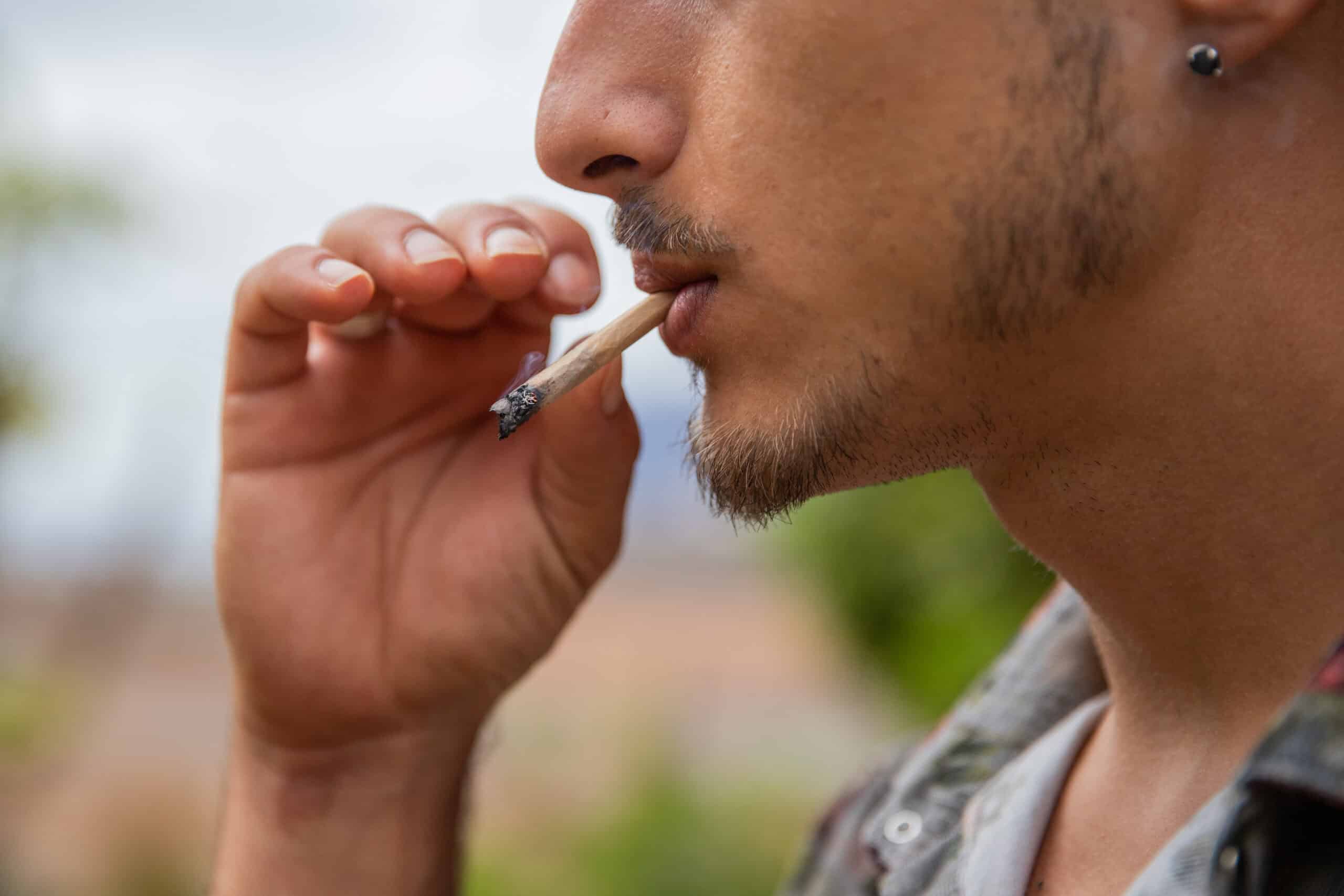
Acknowledging that cannabis misuse may be affecting your life is not a sign of failure—it’s a first step toward clarity and change.

Slow Creep or Sudden Dependence?
Like many forms of addiction, Cannabis Dependence can build gradually—or take hold before you realise it.
What starts as occasional use to relax, sleep, or manage anxiety can quietly become a daily habit. For some, it begins with evening use that expands into the daytime. For others, it's used to regulate mood, cope with boredom, or escape uncomfortable emotions. However it starts, the shift from choice to dependence is often subtle—and deeply personal.
Recognising how use has shifted over time can help you understand the broader impact it may be having.
Daily Use
"People who use cannabis daily are also up to five times more likely to develop psychotic disorders, particularly if they start at a young age or have a family history of mental illness."
Reference – (AIHW, 2024)
Mental Health Impacts of Cannabis Use
Regular cannabis use is linked to increased mental, emotional, and behavioural health risks.
According to AIHW (2024), 30% of users were treated for a mental health condition in the past year, and 7% experienced high psychological distress.
This underscores the strong connection between cannabis use and mental health.
Reference - (AIHW, 2024)
The Effects of Long Term Marijuana Use
Chronic use can result in:
- Reduced motivation or "flat" mood
- Sleep and memory difficulties
- Anxiety, paranoia, or irritability
- Impacts on school or work
Addressing cannabis dependence early can support long term mental and emotional wellbeing.
Despite growing evidence, many myths about marijuana still linger—and they can stop people from seeking the support they deserve.
Let Go of Misconceptions and Peer Pressure
Marijuana is often perceived as a "safe" or "natural" drug, but that perception can make it harder to recognise when use has become a problem. Common misconceptions include:
- "It's not addictive—just a habit."
- "Everyone does it—it's no big deal."
- "It helps me cope, so it can't be bad for me."
These beliefs can hinder support and make it more challenging to seek help.
Cannabis Dependence can affect focus, motivation, relationships, and mental health. If it no longer feels like a choice, it might be time to talk to someone.
Even where laws are changing, cannabis can still carry risks, particularly high-potency strains.

The Impact of Delaying Treatment
Ongoing marijuana use may seem manageable at first, but without support, the long term effects can grow more serious.
Delaying treatment can lead to:
- Ongoing anxiety, mood swings, or emotional instability
- Reduced motivation or persistent “flatness”
- Cognitive issues like memory problems or difficulty focusing
- Social withdrawal or disconnection from family and friends
- Sleep disturbances and fatigue
- Escalation in use or co-use of other substances
The earlier support is accessed, the better the outcomes.
Our Cannabis Addiction Program combines psychological support, medical care, and wellness activities to help you regain control.

Ways We Support Your Journey
Fullarton Clinic provides a discreet 28 day private rehab in Melbourne, including Marijuana Detox.
1
Medically Supervised Detox
As part of your 28 day stay, your program begins with Medical Detoxification (if required) to ensure safe, supported withdrawal, managed by our Addiction Recovery Team.
2
High Quality Recovery Program
A Drug Addiction Treatment Program designed by Drug and Alcohol Rehabilitation Specialists.
3
Comprehensive Therapy
Including group therapy, and holistic wellness programs, with physical activity and art therapy.
4
Dual Diagnosis Support
Identifying and treating coexisting medical conditions.
5
Screening For Chronic Disease
While you are staying with us, you will be screened and treated for other chronic diseases impacting your overall health.
6
Aftercare Support
Day Programs to prevent relapse and maintain long term recovery.
Frequently Asked Questions
Below is a list of common questions associated with Marijuana Addiction and the drug rehabilitation process.
Your Recovery Starts at Fullarton Clinic
When you choose Fullarton Clinic in Epping, you won’t need to leave Melbourne to access high quality Inpatient Cannabis Addiction treatment in a safe and supportive environment.
Our care model addresses more than just the symptoms of addiction — we consider the whole person. That includes coexisting mental health challenges or physical health concerns that may be impacting your recovery.
Whether this is your first time seeking help or you're returning after previous treatment, Fullarton Clinic offers discreet, compassionate support for mental health and addiction.
Our facility is designed for comfort, privacy, and healing, providing a calm and caring environment where you can focus on your recovery journey. Ready to take the next step?
Explore our Drug and Alcohol Rehabilitation Programs
Our private hospital in Epping offers both Inpatient and Outpatient Programs, supporting recovery in Melbourne’s northern suburbs.

Addiction recovery starts with expert care.
Experience private drug rehab in Melbourne with our 28 day inpatient program, including medically supervised drug detox (if required).

Stay on track as you adjust to everyday life.
Our 12-week Foundations of Recovery Day Program provides structured group addiction therapy for people experiencing alcohol or marijuana addiction.
Delivered face to face at Fullarton Clinic, the program helps you understand triggers, manage cravings and develop healthier coping strategies to support sustained recovery.