
Respectful Care for PTSD That Supports Your Experience
Post-Traumatic Stress Disorder (PTSD) can follow a traumatic event, quietly affecting how you feel, think, sleep, and connect with others. You’re not alone, and recovery is possible with the proper support.
Understanding PTSD
PTSD is a significant mental health condition that can develop after trauma, such as violence, grief, accidents, or abuse.
While some people recover naturally, others find the emotional impact grows stronger over time, affecting daily life, relationships, and sleep.
PTSD is not a sign of weakness—it’s the mind and body’s response to being overwhelmed. Your symptoms can be managed with evidence-based treatment, and recovery becomes achievable.

You’re Not Alone
-
11% of Australians will experience PTSD in their lifetime
-
Women are nearly twice as likely as men to be affected
-
PTSD is one of the most common mental health conditions among first responders and veterans
PTSD is more common than many people realise, and recognising the signs is an important first step toward healing.
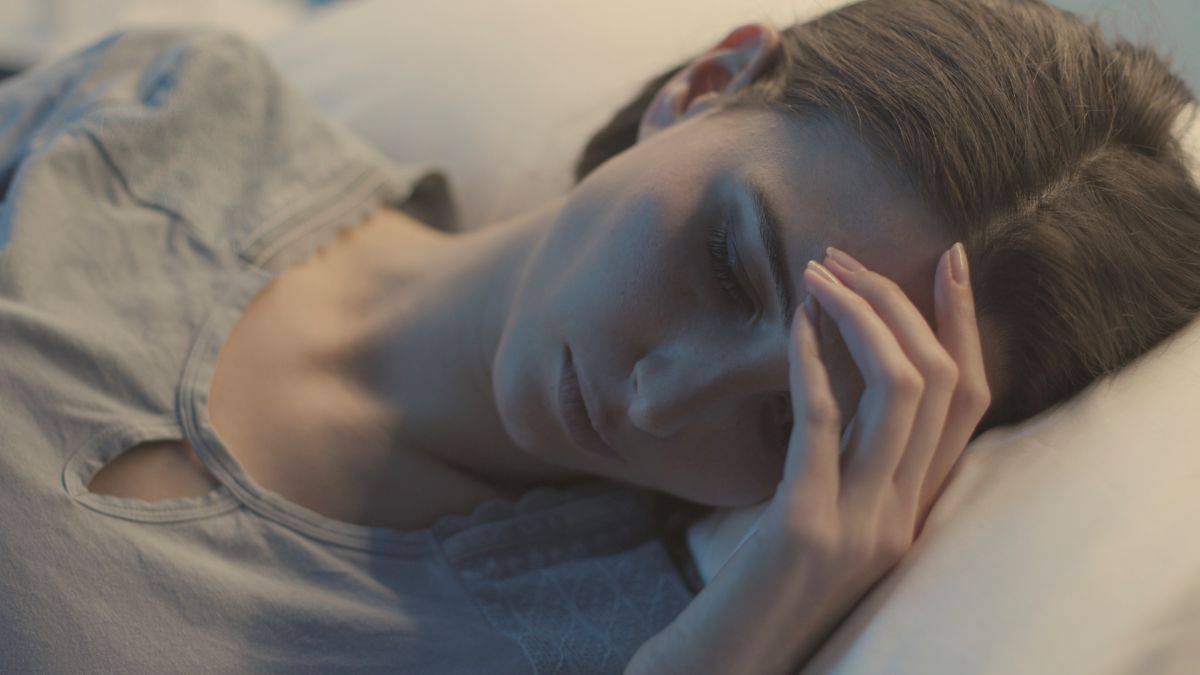
Signs You May Need Support
Check in with yourself. Are you experiencing any of the following?
- Flashbacks or distressing memories of a past event
- Avoiding reminders of the trauma
- Feeling on edge, easily startled, or emotionally numb
- Difficulty sleeping or frequent nightmares
- Guilt, shame, anger, or detachment
These are recognised symptoms of PTSD — and with the right treatment, things can improve.
Understanding the Difference Between PTSD and Trauma
While trauma is a common response to distressing events, not everyone who experiences trauma develops post-traumatic stress disorder. Understanding the difference between trauma and PTSD can help you recognise when additional support might be needed. This comparison outlines how the two conditions differ regarding symptoms, recovery, and diagnosis.

Your story matters. Thats why we provide personalised care that’s shaped around your experiences, your goals, and your needs.

Your Mental Health Support Starts Here
Our team at Fullarton Clinic offers personalised treatment for PTSD in a comfortable, safe, structured setting.
1
Personalised PTSD Care
We begin with a comprehensive Psychiatric Assessment and personalised treatment planning — designed to understand your experience and support your path to healing.
2
High Quality Treatment
Trauma-focused CBT, ACT and other evidence-based therapies to reduce symptoms and support sustained wellness.
3
Pharmacy Services
Where clinically appropriate, medication can help reduce the physical symptoms of PTSD and improve daily functioning.
4
Comprehensive Therapy
Including group therapy, and holistic wellness programs such as physical activity and creative therapies focused on trauma processing, emotional resilience, and social reconnection.
5
Ongoing Monitoring and Support
Regular reviews ensure your care plan adapts to your evolving needs throughout treatment.
6
Coordinate with Your Team
We work with your GP, Psychologist, or Psychiatrist to maintain clear communication and continuity of care.
7
Dual Diagnosis Support
Identifying and treating coexisting medical conditions.
8
Screening for Chronic Disease
While staying with us, you will be screened and treated for other chronic diseases impacting your overall health.
9
Aftercare Support
Structured Day Programs and discharge planning help you maintain progress and support long term wellness.
This approach can help reduce distressing symptoms, improve emotional regulation, and fully support your ability to engage in relationships, work, and daily life.
Additional Treatment Options for PTSD
We recognise that PTSD often coexists with other challenges. Our clinicians are experienced in supporting:
- Addiction Recovery
- Depression and Anxiety
- Interpersonal and relationship issues
For some individuals, traditional approaches for Trauma may not provide enough relief. Fullarton Clinic also offers:
- Transcranial Magnetic Stimulation (TMS):
A non-invasive treatment using magnetic pulses to stimulate brain areas involved in mood regulation. Often recommended when medications are ineffective or not well tolerated.
Frequently Asked Questions
Whether you're just starting out or further along in your healing, Fullarton Clinic offers compassionate, expert treatment for PTSD.
Explore our Mental Health Services
Our dedicated mental health facility in Epping offers both Inpatient and Outpatient Programs in Melbourne’s northern suburbs.
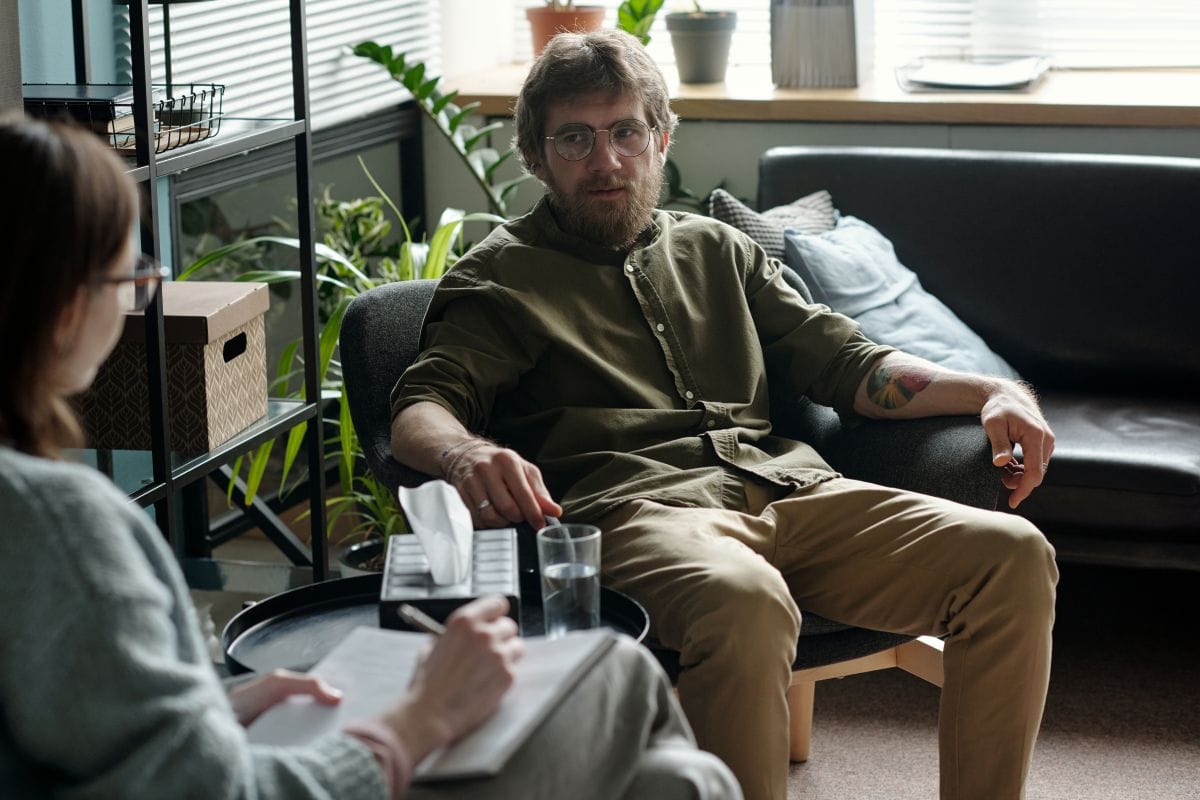
Treatment for PTSD starts with expert care.
Our Inpatient Program provides structured support to help manage PTSD symptoms and improve daily living.

Stay supported and stay on track
Our Mental Health Day Programs provide face-to-face, group-based support to help you develop practical skills, build greater self-understanding and work towards your mental health and recovery goals.
You can access a Day Program following inpatient treatment or when accessing Fullarton Clinic for the first time.