



Mental Health Rehabilitation
What It Is and How It Can Mental Health Rehab Support and Improve Quality of Life
When your mental health is affecting everyday life, sometimes the support you already have is no longer enough.
You might be finding it harder to manage your symptoms. Work, relationships, sleep or everyday routines may be becoming more difficult. Or perhaps you have been living with and managing a mental health condition for some time, but things have changed and you need more support to feel stable again. This may include a period of hospital-based care.
This is where mental health rehabilitation (sometimes referred to as mental health rehab) may help.
Rehabilitation provides structured treatment and support to help you better understand and manage your mental health, develop practical strategies and tools, and improve day-to-day functioning.
Mental health rehabilitation does not look the same for everyone. We start by understanding what you are experiencing, what is making life difficult and what you would like to be able to manage better.
What Does Mental Health Rehabilitation Involve?
Mental health rehabilitation focuses on helping you manage your condition and its impact on everyday life. When provided in an inpatient setting, it gives you the opportunity to focus on your mental health with regular clinical oversight and support in a structured hospital environment.
During your stay, you may receive care from a range of clinicians working together as part of a multidisciplinary team. This allows different aspects of your mental health and wellbeing to be considered as part of an integrated, evidence-based treatment program.
For people living with an ongoing or recurring mental health condition, there may not be a simple before-and-after point. Depending on your needs, treatment may initially focus on helping you become more stable and managing symptoms, before building strategies and skills that can support you beyond hospital.
The length of an inpatient stay will also vary according to your individual needs. Some people may require several weeks of treatment, while others may have a shorter admission for a specific clinical need, such as a medication review or adjustment.
As you prepare for discharge, your ongoing care needs can also be considered. Where appropriate, this may include Day Programs or other forms of follow-up care, providing greater continuity of care as you return to everyday life.
What this looks like will be different for each person and will depend on your condition, circumstances and clinical needs.
Being involved in your care matters
O’Donohue et al., 2023
International Journal of Mental Health Nursing

Care that considers the whole person
At Fullarton Clinic, person-centred care means considering you as a person, not just the symptoms you are experiencing.
Your treatment is based on your individual mental health needs and goals, with your treating psychiatrist and broader clinical team working with you throughout your care and may include a range of evidence-based therapies and treatment options, depending on what is clinically appropriate for you.
How Can Mental Health Rehab Help You?
The inpatient program at Fullarton Clinic provides comprehensive care and support in a structured hospital environment.
During your admission, your treatment is overseen by your admitting psychiatrist, who assesses your mental health and guides your treatment while you are in hospital. Your care can also include physical health screening and support for co-existing health needs, if required. Nurses are on site 24 hours a day, providing ongoing clinical care and support.
Depending on your needs and length of stay, you may also work with therapists and allied health professionals as part of your treatment program. This can include:
- Group therapy
- Light exercise and activities that support physical wellbeing
- Art therapy
- Evidence-based approaches such as Cognitive Behavioural Therapy (CBT), Dialectical Behaviour Therapy (DBT) and Acceptance and Commitment Therapy (ACT)
Throughout your stay, you will be treated with dignity, compassion and respect.
Why Choose Hospital-Based Mental Health Care?
There are different options available when you need more intensive mental health support, including inpatient hospitals, residential programs and mental health retreats.
While these services can sometimes appear similar, the clinical care provided and funding arrangements can be quite different. Retreats and other residential programs, for example, may require you to fund the full cost of your stay.
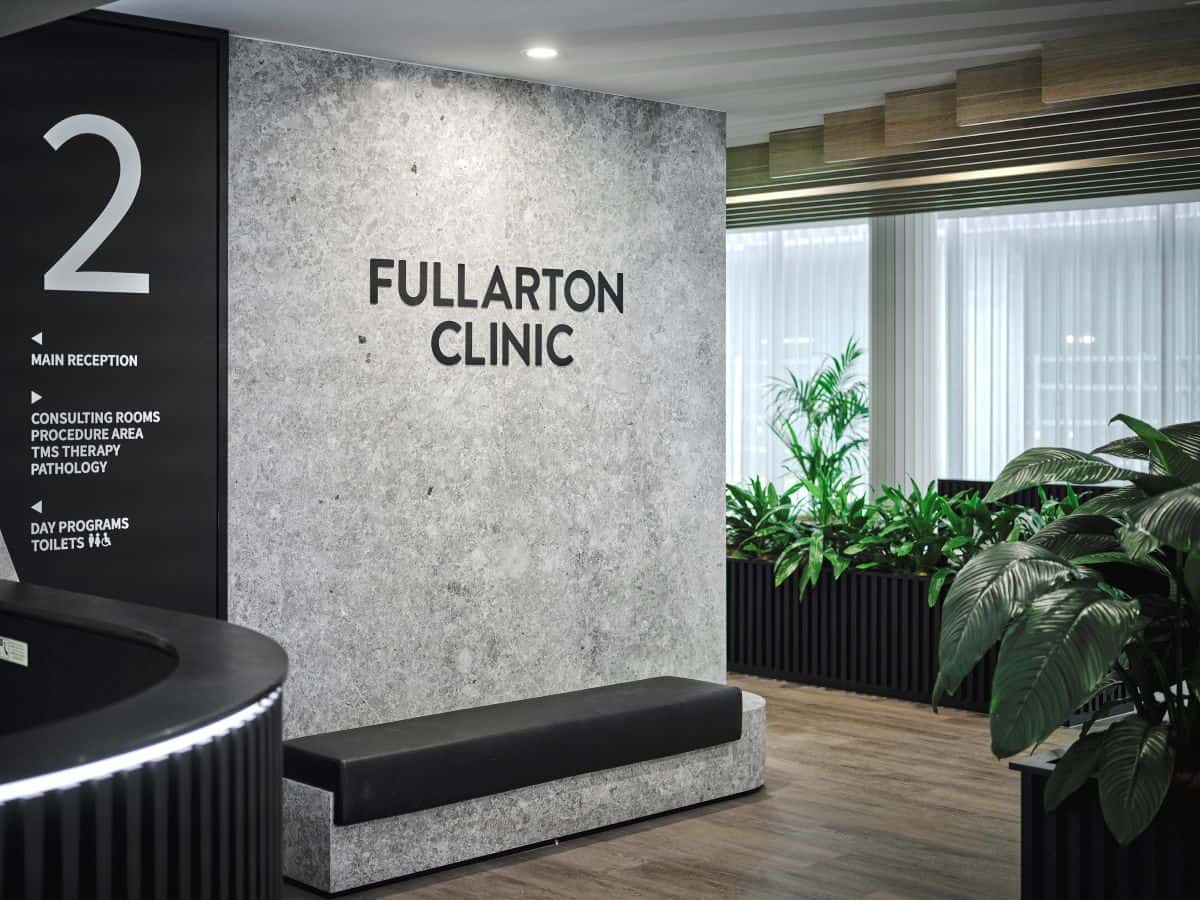
Fullarton Clinic is a private mental health hospital. Your treatment takes place in a purpose-built, new hospital that’s fully accredited and registered. Psychiatrist-led treatment and 24-hour nursing support on site.
Patients with private health insurance (including psychiatric cover) find treatment may cover most or all of the cost of inpatient care. However, your level of cover and any out-of-pocket costs will depend on your health fund, policy and individual circumstances. Our Intake Team can help you understand your funding options before admission.
Access different levels of mental health care as your needs change
Mental health care does not necessarily begin and end with a hospital admission.
Fullarton Clinic provides inpatient treatment alongside Day Programs, outpatient psychiatry and advanced treatments. This creates different treatment options depending on your clinical needs and stage of recovery.
Planning for what happens after hospital also forms part of inpatient care. Where appropriate, a Day Program can provide structured ongoing support as you transition from hospital back into everyday life.
If you are comparing private mental health facilities, it can be helpful to consider not only the inpatient treatment available, but also what options are available before and after a hospital stay.
Get Started
To discuss your treatment options or understand how to access care at Fullarton Clinic, call 1300 377 464 or complete our online enquiry form.
If you already have a referral, you're welcome to contact us through the form below — and our intake team will be in touch to guide you through the next steps.
References
O’Donohue, E., Aguey-Zinsou, M., Yule, E., Fairhurst, I., & Debaets, M. (2023). Mental health consumer perspectives of a person-centred multidisciplinary care planning meeting on a rehabilitation inpatient unit. International Journal of Mental Health Nursing, 32(6), 1701–1712. https://doi.org/10.1111/inm.13192